×
  • Kathmandu, Nepal
  • +9779863201248

Mountain Mate

Everest Base Camp Trek -A Journey through Sherpa land

Everest Base Camp Trek -A Journey through Sherpa land
Duration
12 Days
Altitude
5545m
Group
2+
Grade
Strenuous.
Accomodation
Tea house/ Lodges

Overview

"Every mountain top is within reach if you just keep climbing." - Barry Finlay 

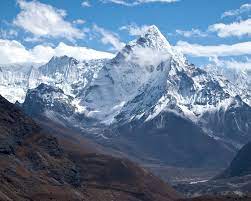
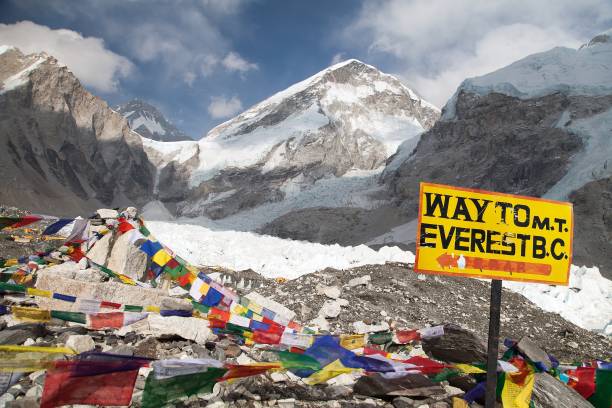
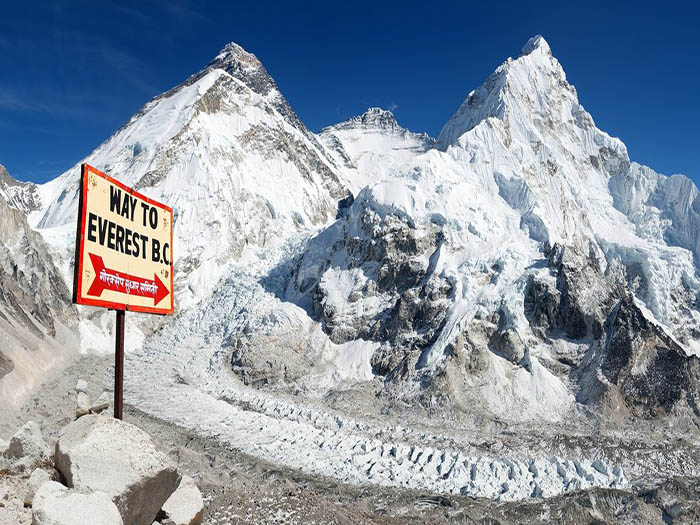
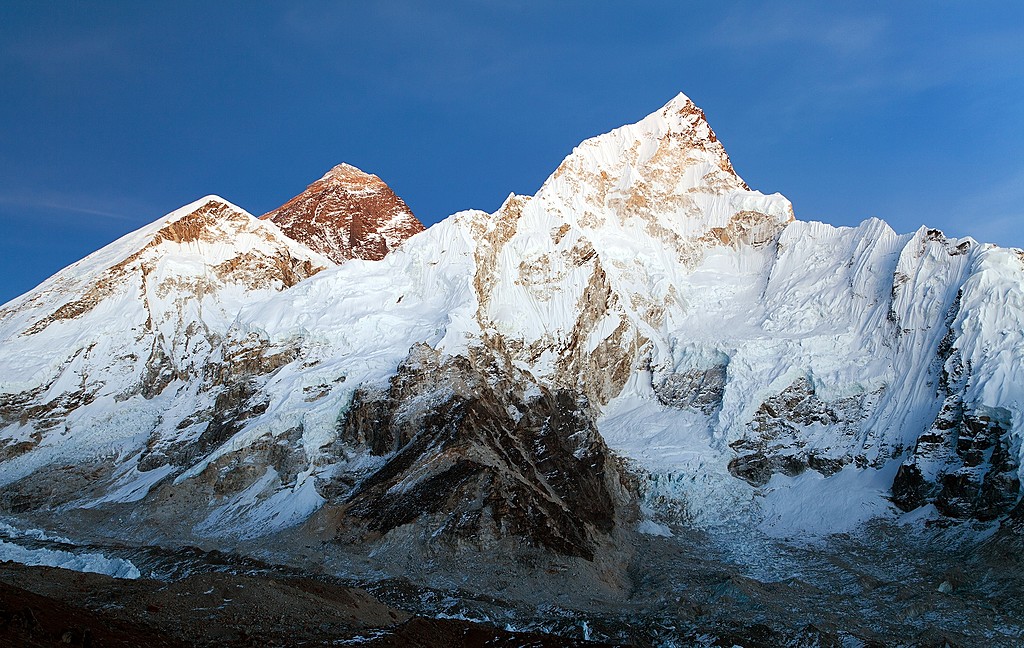
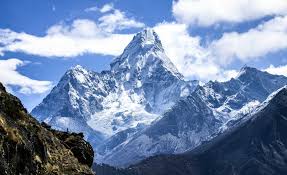
Everest base camp trek or shortly EBC trek has been the most popular trekking trail of Nepal, from 1953. Today, an ideal world of ours would like to stand at the summit of Mt. Everest - the highest peak in the world. Most of us, realistically, will not be able to do this, however if you are physically fit and mentally determined you can reach Everest Base Camp from  Lukla and can collect unforgettable memories on this high-altitude trekking route. Believe us, the trekking from Lukla to EBC or kalapathhar for the views of Mt. Everest along with Nuptse, Lhotse, Amadablam and many more. is a lifetime experience.

How to reach EBC?
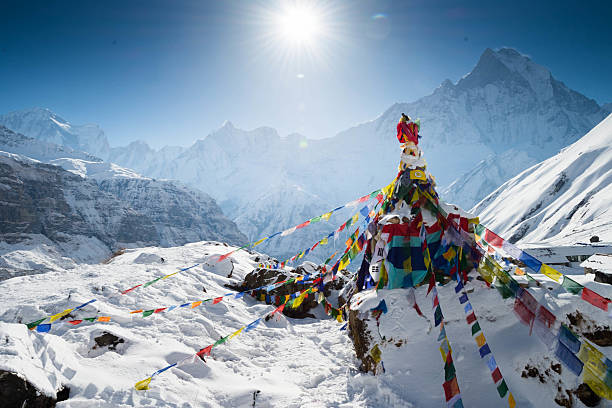
The magnificent aerial flight from Kathmandu to the Tenzing Hillary Airport (Lukla) to Everest Base Camp touches you to with Sherpa village such as Lukla, NamcheTengbocheKhumjung ValleyPangbocheDingboche, Lobuche, Gorakshep and Kalapathhar respectively in the Sagarmatha Where the paths are decorated with Buddhist monuments such as stupas, monasteries, mani wheel, pray flags and yaks passing by. 

About sherpa land
The native ethnic tribes from northern border of Nepal’s(may migrated in 13th-14th century from Tibet) Sherpa people has one of the major settlement in old village like khumjung village, Pangboche village in the route, where khumjung monasteries has conserved Yeti's sculpture as evidence of Yeti’s existence. Sherpas are considered elite mountaineers and experts in their local area where Sherpa mountaineer Tenzing Norgay became one of the first two people to reach the summit of Mount Everest. No summit has been successful in Himalaya behind the supports and skill of Sherpa's.
Their smiley face and helpful behavior make your trip unknowingly grateful and comfortable. They are always open to sharing their cultural and traditional lifestyle with visitors.

Major Peaks of attraction in Everest region

  • Mt Everest (8,848m/29, 028ft)
  • Lhotse (8,516 m/24,940 ft)
  • Nuptse (7,855m/25,772 ft)
  • Makalu (8,463m/27758ft)
  • Pumori (7,161m/23488ft)
  • Tharmarsarku (6,623m/21723ft)
  • Mt. Amadablam (6,812m/22349.08ft)
  • And many more.

If you want to see Mount Everest but don't have more than a week to hike then you can also check out about the Everest View Tour, Peaky Peak Trek , or if you don't want to hike then you can look at Everest Heli Tour .


Everest Base Camp Trek High lights 

  • Mt Everest (8,848m/29, 028ft) 
  • Adventurous journey of above 5000m trails.
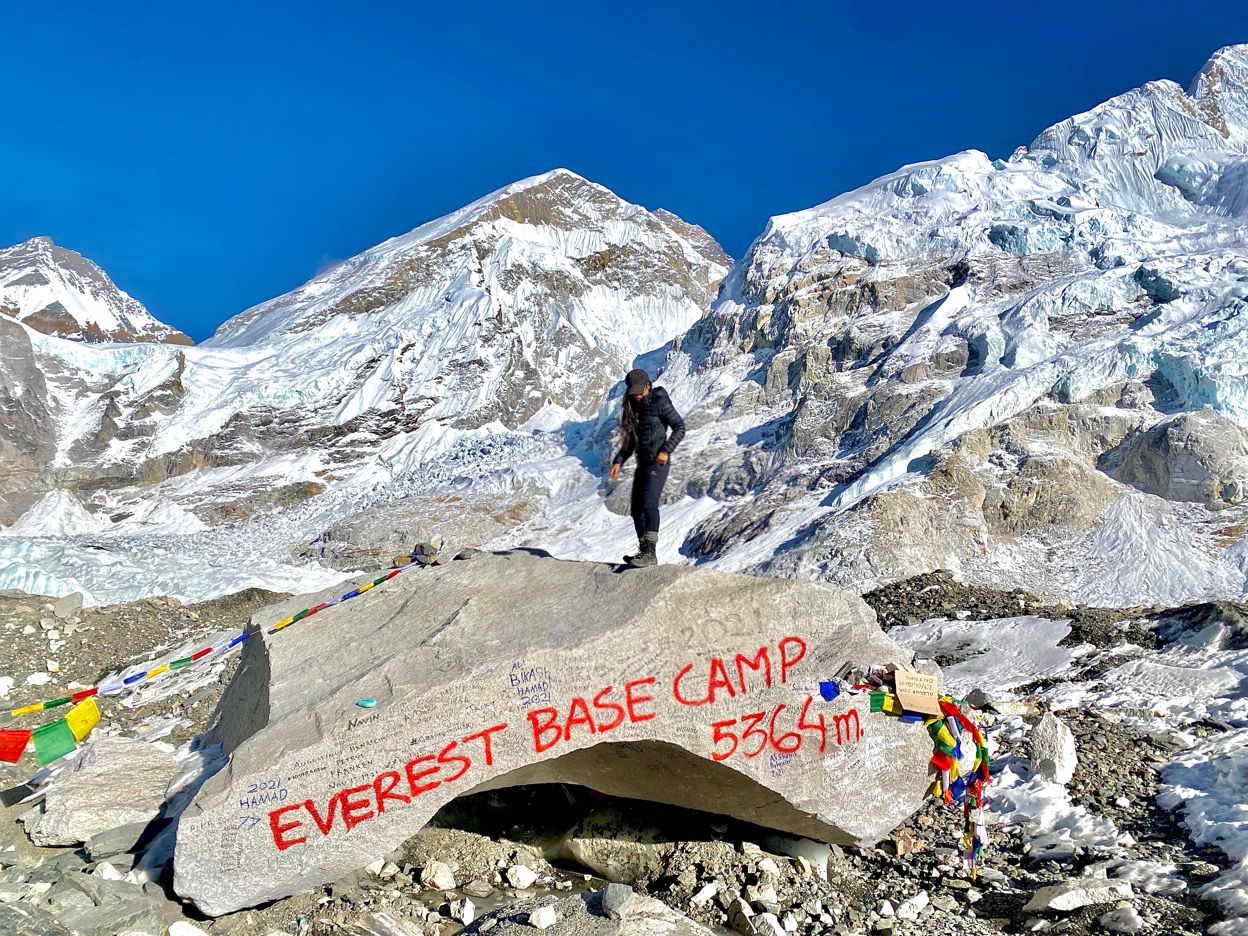
  • Base camp of world's highest mountain - Everest base camp (5364m)
  • Immense mountain views including of four world highest mountains (I, IV, V, VI).
  • Top viewpoint of Nepal – Kala Patthar (5545m).
  • Yeti Sculpture preserved in Khumjung Monastriey.
  • Sherpa an ethnic group native to the Himalayan region, primarily found in eastern Nepal.
  • Several old Buddhist Gompas and monasteries including Tyangboche Monastery
  • Excellent walk-through beautiful Sherpa villages and communities.
  • Glorious Namchee Bazaar – gateway to Everest.
  • Colossal Khumbu Glacier at Gorakshep on the way to EBC.

Altitude Sickness in Everest Base Camp Trek 

Many people consider trekking in Nepal to Everest Base Camp (EBC) to be a once-in-a-lifetime experience, but it also takes them into high-altitude area where they run the risk of developing Acute Mountain Sickness (AMS), also known as Altitude Sickness, where major symptoms are headache, vomiting, tiredness, dizziness and also can be anxiety.
Understanding altitude sickness is essential for your success and safety, regardless of your goals—whether  to visit Everest Base Camp (5,364 meters) or Kalapathar (5550m), MMT (mountain mate treks) prepare with the well trained  Local Guides of the region, proper precaution on safety measures with essential medication and safety tools.

For more details check  Altitude Information 


Best Season for Everest Base Camp Trek 

The Everest Base Camp Trek is possible year-round with proper planning and preparation. However, the best season to trek to Everest Base Camp is during the spring (March to May) and autumn (September to November) seasons. These periods offer the most favorable weather conditions, clear mountain views, and an overall safe and enjoyable trekking experience.

  • Spring Season (March–May)
    • Weather: Mild temperatures with clear skies.
    • Landscape: Rhododendrons and other wildflowers are in full bloom, adding vibrant colors to the landscape.
    • Crowds: This is a popular trekking season, so trails and teahouses can be busy.
    • Highlights: Ideal for those who appreciate the beauty of nature and don't mind the busier trails.
  • Autumn Season (September–November)
    • Weather: Post-monsoon weather is typically clear and stable, with fantastic visibility of the mountains.
    • Landscape: The monsoon rain clears the atmosphere, offering some of the best mountain views of the year.
    • Crowds: This is the most popular time for trekking, leading to busier trails and teahouses.
    • Cultural Experience: Coincides with Nepal’s major festivals, such as Dashain and Tihar, offering a culturally rich experience.
  • Winter Season (December–February)
    • Weather: Extremely cold temperatures, with the possibility of heavy snowfall.
    • Landscape: Clear skies provide stunning views of the snow-capped peaks.
    • Considerations: Not recommended for inexperienced trekkers due to harsh weather conditions and potential trail blockages.
  • Monsoon Season (June–August)
    • Weather: Frequent heavy rainfall, leading to slippery trails and increased risk of landslides.
    • Visibility: Rain clouds can obscure scenery, reducing visibility.
    • Considerations: Not recommended for trekking due to unpredictable and potentially dangerous weather conditions.

The best seasons to plan Everest Base Camp trek are in spring or autumn. These seasons offer not just pleasant weather and striking views, but also the chance to engage with local culture and witness the scenic beauty of the Himalayas in their full glory.


Essential Gears and Equipment for Everest Base Camp Trek 

To ensure a safe and successful trekking experience at Everest Base Camp, it’s important to be well-prepared with the right tools and gear. Here's a comprehensive list of must-have trekking essentials

  • Clothing -
    • Base Layers:
      • Moisture-wicking thermal tops and bottoms (2–3 sets)
    • Insulation Layers:
      • Fleece or down jacket (1)
      • Insulated pants (optional but useful in colder months)
    • Outer Layers:
      • Waterproof and windproof jacket (Gore-Tex or similar)
      • Waterproof pants
    • Trekking Clothes:
      • Lightweight trekking pants (2 pairs)
      • Long-sleeve and short-sleeve moisture-wicking shirts (3–4)
      • Warm hat, sun hat, and buff or neck gaiter
      • Gloves: inner liner gloves and insulated outer gloves
      • Underwear and sports bras (quick-dry)

  • Footwear
    • Trekking boots (broken-in, waterproof)
    • Gaiters (optional, for snow or mud)
    • Wool or synthetic trekking socks (4–5 pairs)
    • Camp shoes/sandals (for resting at tea houses)

  • Gear and Equipment
    • Trekking backpack (30–40L for day use)
    • Duffel bag (carried by porter, if using one)
    • Sleeping bag (rated to -10°C or lower)
    • Sleeping bag liner (for extra warmth and hygiene)
    • Trekking poles (highly recommended)
    • Headlamp with extra batteries
    • Water bottles or hydration bladder (2–3 liters capacity)
    • Water purification method (tablets, filter, or UV sterilizer)
    • Sunglasses (UV protection)
    • Dry bags or zip-locks (for waterproofing clothes/electronics)
  • Health and Hygiene
    • Personal first aid kit (include altitude sickness meds like Diamox)
    • Sunscreen (SPF 50+)
    • Lip balm with SPF
    • Wet wipes and hand sanitizer
    • Toiletries (toothbrush, toothpaste, small towel, etc.)
    • Toilet paper and sanitary supplies (tea houses often don't provide)

  • Documents and Essentials
    • Passport and multiple passport-size photos
    • TIMS card and Everest National Park permit
    • Travel insurance (with high-altitude trekking coverage)
    • Cash (Nepali rupees – no ATMs in route)

Well-equipped not only ensures safety and comfort but also enhances your EBC trek experience. Preparation is key when it comes to high-altitude trekking in Nepal. For more details check  Best Trekking Tips in Nepal.


Itinerary

  • Day 01: Fly from Kathmandu to Lukla and Trek to Phakding (2652m/8699ft) Walking Distance - 8 km, Duration: 3 hours.
  • Day 02: Trek from Phakding to Namche Bazaar (3440m/11283) Walking Distance - 10 to 12 km, Duration: 6 hours. 
  • Day 03: Acclimatization Day at Namche & Explore:(3,962m/12995ft) Walking Distance - 3 to 4 km, Duration: 3 to 4 hours
  • Day 04: Trek from Namche to Tengboche: (3860m/12660ft) Walking Distance - 10 to 11 km, Duration: 5 hours.
  • Day 05: Trek from Tengboche to Dingboche: (4410m/14464ft) Walking Distance - 11 to 12 km, Duration: 5 hours.
  • Day 06: Acclimatization Day at Dingboche & Explore: Walking Distance - 5 to 6 km, Duration4 to 5 hours.
  • Day 07: Trek from Dingboche to Lobuche (4910m/16105ft) Walking Distance - 11 to 12 km, Duration: 5 hours.
  • Day 08: Trek from Lobuche to Gorakshep (5180m/16990ft) - Everest Base Camp (5364m/17594ft) and back to Gorakshep, Walking Distance - 14 to 15 km, Duration- 8 hours.
  • Day 09: Trek from Gorakshep to Kala Patthar (5545m/11283ft) then trek back to Pheriche (4210m/13810ft) Walking Distance - 13 to 14 km, Duration - 7 hours.
  • Day 10: Trek from Pheriche to Namche (3440m/11283) Walking Distance - 14 to 15 km, Duration- 7 hours.
  • Day 11: Trek from Namche to Lukla (2800m/9184ft) Walking Distance - 18 to 19 km, Duration - 7 hours
  • Day 12: Flight from Lukla to Kathmandu (1,300m/4,265ft).

Details Itinerary

  • Day 01: Fly from Kathmandu to Lukla and Trek to Phakding (2652m/8699ft) Walking Distance - 8 km, Duration: 3 hours. In a very first exciting day of Trek there is 25 mins drive to Kathmandu airport and fly to Lukla (Tenzing Hilary Airport) at 2800m for about 35-40 mins. Leaving the Lukla to Phakding you will pass level above the village Kyangma,Muse,Chaurikharka and Cheplung after around 40-50mins of walk. After continuing north of Cheplung there is first view of dudhkoshi river.
  • Day 02: Trek from Phakding to Namche Bazaar (3440m/11283) Walking Distance - 10 to 12 km, Duration: 6 hours. After breakfast we will continue up the west banks of the Dudh Kosi river, crossing it twice by small suspension bridges before reaching the village of Monjo, the entrance gate of the Sagarmatha National Park. When entering the National park boundary we descend and a gradual walk brings us to the suspension bridge over the Bhote-Koshi river to Jorsalle village, the last village till Namche Bazaar with many ascents and descents. Namche is a prosperous trading town and the capital of the Khumbu Region. Overnight.
  • Day 03: Acclimatization Day at Namche (3,962m/12995ft) Walking Distance - 3 to 4 km, Duration: 3 to 4 hours. We will spend a day in Namche Bazaar to  acclimatized  the altitude of (3,440m/11,283ft). Namche is a wonderful place, and it is worth visiting the local market in Namche which sells everything from toothpicks to ice axes. You have full day leisure or visit Everest Viewpoint hotel for wonderful panoramic view or Sherpa Museum as well a great place to learn Sherpa culture and history of mountaineering. You can also do the day hike for the ancient village, Khumjung valley with the monasteries and preserved yeti sculpture as proof of existence of Yeti in Everest mountainous zone.
  • Day 04: Trek from Namche to Tengboche: (3860m/12660ft) Walking Distance - 10 to 11 km, Duration: 5 hours. Today after breakfast we ascend out of the village and follow a high, fairly level path above the Dudh Koshi enjoying spectacular mountain views of Everest, Nupse, Lhotse, Thamserku and Kwangde as we go. The trail descends through forest of blue pine to cross the Dudh Kosi again at Phunki Thanga (3250m). We make another ascent on a switch-back trail, sometimes made quite dusty by yak trains, to reach the spectacularly sited Tyangboche Monastery from where there are brilliant views of Everest, Lhotse, Nuptse, Ama Dablam and Taboche to the north and northeast Thamserku and Kantega to the southeast and Kwangde to the southwest. Thyangboche Monastery was seriously damaged by fire in 1989 but has since been rebuilt and there will be time to visit the monastery and interact with monks.
  • Day 05: Trek from Tengboche to Dingboche: (4410m/14464ft) Walking Distance - 11 to 12 km, Duration: 5 hours. After breakfast we descend through meadows and rhododendron forest, past the Buddhist nunnery at Deboche, to the Imja Khola. Hug the valley wall, and then traverse the plains to Dingboche, the start of the Imja Tse Valley. Dingboche is also the gateway to Chukung and farther beyond for the most challenging traverses towards Makalu area and Hinko Valley via Sherpani col 6,100m and Amphu Laptsa pass 5,780m and Island Peak itself.
  • Day 06: Acclimatization Day at Dingboche & Explore: Walking Distance - 5 to 6 km, Duration4 to 5 hours. On this day you will rest before the last leg of the journey. You may have full day rest or there are some places where you can go for a day walk like trek to a hill or Chhukung (4,730m) is worthwhile which takes approx. 3-4 hours from Dingboche, towards east with in the Imjatse Valley, although the trek is gradual, however you can feel the thin air as the altitude gains slowly coming towards Chhukung. At Chhukung, there are few teahouses overlooking superb view of the snowcapped peaks and glaciers. After enjoy stroll back to Dingboche overnight.
  • Day 07: Trek from Dingboche to Lobuche (4910m/16105ft) Walking Distance - 11 to 12 km, Duration: 5 hours. We are now well above the tree line, and our walking today brings us to the Dughla village and continue to a ridge, which has several memorials to Sherpas killed on expeditions to Everest.  Continue along the moraine of the Khumbu Glacier, with views of Kalar Pattar and Pumori to reach Lobuche along the rugged route.
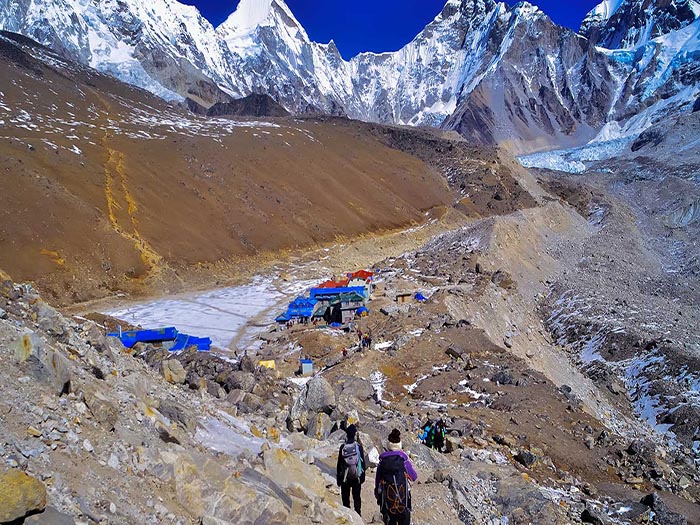
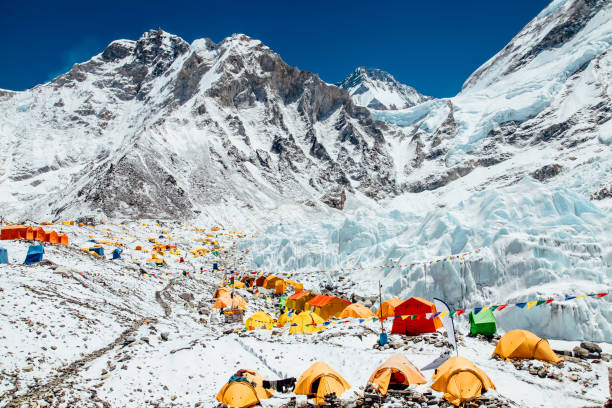
  • Day 08: Trek from Lobuche to Gorakshep (5180m/16990ft) - Everest Base Camp (5364m/17594ft) and back to Gorakshep, Walking Distance - 14 to 15 km, Duration- 8 hours. After breakfast, our trek starts with a gentle ascent initially which later develops into a steeper ascent of about half an hour. A descent back down then brings us through the windy and rocky trial with the wonderful view of Mt. Pumori, Mt. Nuptse and other magnificent peaks to Gorak Shep where we will check into our lodge. After lunch, our adventure continues towards Everest Base Camp and to the Khumbu Icefall. The trail passes through over rocky dunes and moraine and streams, till you reach the base camp. In Everest Base Camp the climbers gather for summiting Everest during the high expedition season. We explore base camp and its surroundings glacier, and we will retrace our steps back to Gorakshep for overnight.
  • Day 09: Trek from Gorakshep to Kala Patthar (5545m/11283ft) then trek back to Pheriche (4210m/13810ft) Walking Distance - 13 to 14 km, Duration - 7 hours. Your Guide will arrange time for this morning to start early hike up to Kala Pathar for the most wonderful sunrise views of Everest. It takes about 2 hours to reach this hilltop (the famous viewpoint). This small peak offers the best views of Mount Everest, Nuptse, Pumori and Ama Dablam along with the entire mountain views of Khumbu Himalayan range. After taking in this fabulous sight we will head back down again back to Gorak Shep, breakfast and retrace back towards Pheriche for overnight
  • Day 10: Trek from Pheriche to Namche (3440m/11283) Walking Distance - 14 to 15 km, Duration- 7 hours. After breakfast we are heading down now, the trail is mostly downhill as we travel to Pangboche. Pangboche is the highest year-round settlement in the upper Khumbu valley. When we reach here, we have the chance to visit the Pangboche monastery, the oldest monastery of the region. Take back great memories with you and walk downhill towards the Phungithanka and stop back to Tengboche overnight. After lunch we are heading down now, and after crossing the suspension bridge over the Dudh Koshi river trek onwards to Kyanjuma the junction of the trinity ways to Gokyo Valley, Khumjung village and Namche Bazar. Great view of Ama Dablam, Thamserku, Tawache and Lhotse as well as dense wildlife of some species of Pheasants, Himalayan Griffons, Musk deer and wild goat can be found insides the rhododendron forest, take back to Namche Bazar for overnight rest.
  • Day 11: Trek from Namche to Lukla (2800m/9184ft) Walking Distance - 18 to 19 km, Duration - 7 hours. Today after breakfast we walk back to the downhill at Phakding and make lunch break, after lunch and slight rest you can walk at your own pace and enjoying the lush green scenery around and passing through the incredible mountain scenery and local Sherpa village. Arrival in Lukla and you'll have time to stroll around the areas, and guide will re-confirm your flight ticket and enjoy the last celebration dinner with your crewmember and overnight at hotel.
  • Day 12: Flight from Lukla to Kathmandu (1,300m/4,265ft). After an early morning flight to Kathmandu (weather permitting) our guide transfers you to your hotel. You may have time to relax after long journey and take back your breath and rest at your hotel with ending your Himalayan trip with MMTT. Evening we join for the farewell dinner.

Everest Base Camp Trek's Trip Cost

While planning Everest Base Camp Trek then what is the Everest base camp trek costs is major question in mind. This includes not only the obvious expenses like flights and accommodation, but also hidden costs such as local transportation, meals, entrance fees, travel insurance, and miscellaneous souvenir expenses. Budgeting for your trip cost in advance helps avoid financial surprises and allows you to enjoy your journey stress-free. Many travelers find it helpful to compare prices online, take advantage of package deals, and travel during off-peak seasons to lower their overall trip expenses. Remember, a well-planned budget ensures your adventure remains memorable for the right reasons—not because it broke the bank. 

Here, Mountain Mate Treks, offers you the best deal of cheapest Everest base camp trek for matching the cost for budget or solo travel, full board Everest base camp trek price for idol or standard service according to trekkers interest by the proper professional research on the basis of local’s connection in day to day updating basis.

 Full-board Package cost  
This cost is designed by the mountain mate treks for the service-oriented trekkers who are looking for comfortable service within the best service providing just below the recognized branded hotels and tea houses in the trail, where trekkers can enjoy their trip without worrying their personal managements.

Half Board Package cost
This cost is designed by the mountain mate treks for the budget, solo travelers and students. Just to overcome the hustle of organizing transportation, permits, flights, accommodation etc. for assisting our Everest base camp trekkers within the Nepal government’s laws, social values and norms, national park’s rules and regulation. which helps trekkers avoid risks in the trail, understanding the government rules and regulation, supporting wildlife and vegetation and stress-free trip.


 Services include and exclude 

 Full board

 Half board

Nepal Visa Expenses and worldwide Airfare


Free Pick-up and drop in the arrival and departure from (TIA) airport.


Accommodations in City besides trekking days (two nights in three-star hotel in B/B plan in twin sharing).


 Meals and Extra activities in city.


 All necessary Nation Park permit and Paperwork


 All necessary trekking transfers (Best public and tourist transport as depending on area).


 The best local tea house accommodation during trekking.


 Experienced license holder guide (English Speaking, first aid, eco-trained).


 A Breakfast, Lunch and Dinner are served in trekking itinerary days (a item at once)


 Tea/Coffee or Himalayan Sea buckthorn juice is served in Breakfast.

 A complete first-aid medical kit (handled by Guide/Sherpa)


 All relevant fees, taxes and Levies


 All expenses for Nepalese crew members including salaries, food, accommodation, insurance, equipment and transportation.


 Porters for carrying luggage (Please contact us for porters in necessary)


 Trekking Costs like Drinking Water, Soft & Hard Drinks, Juice, Phon Calls, Web Utilize, Battery, Charging, Clothing, Hot Shower, Gift, Extra Porters etc.


 Individual Trekking Gears and Equipment. (major gears such as sleeping Bag, down jacket, trekking bags, poncho, hiking poles and headlights can be rented from Mt. Mate’s gear rental shop)


 Individual Any Kinds of Health or Travel Insurance. (it is obligatory to decrease the conceivable cost in case of crisis clearing).


 Costs emerges due to hindrance and delays within program schedule due to climate issues or Health problem issues.


 Tipping to trekking crew members (Mandatory) and donating.


Note
For the Group Join in full board please check in Fix Departure [where the services includes from trekking itinerary Days.]

Also, Mountain Mate Treks is recognized as best agency for organizing flexible route, itineraries, and cost by  consulting with the trekkers individually from Alternative Low-budget trip to Luxurious Premium Packages. So, fill free to  Contact Us  for  customize Trip, for further information and inquiries.   (How To Pay)   (Booking FAQS).


Price List

S.No. Types of Package Per Person 2-4 Person 4-9 Person Book
1 Full Board Package 1580 USD 1422 USD 1269 USD Book Now
2 Half Board Package 1200 USD 1140 USD 1083 USD Book Now

Fixed Departure

S.No. Start Date End Date Cost Status Book
1 2026-08-27 2026-09-08 US$1140 Available Book Now Offer

Map

WhatsApp
Chat with us on WhatsApp ×

Hi there! How can we assist you?
Type your message below: